

Marin County Fire Prevention: What Homeowners Need to Know

(Photo courtesy of Marin County Fire Department)
Marin County Fire Prevention: What Homeowners Should Know Today
Wildfire risk has become a permanent reality in Marin County. While the most destructive fires in Northern California may feel distant, the conditions that contribute to wildfire—longer fire seasons, drier vegetation, and development near open land—remain very much present.
For Marin homeowners, fire prevention is no longer a seasonal concern. It is an ongoing responsibility that affects personal safety, property protection, insurance availability, and long-term home value.
This guide provides a clear, current overview of wildfire risk in Marin County, homeowner responsibilities, and practical steps residents can take to reduce exposure.

Understanding Fire Risk in Marin County
Much of Marin County lies within or adjacent to the Wildland-Urban Interface (WUI)—areas where homes meet grasslands, open space, or forested terrain. These locations are particularly vulnerable due to:
- Dry seasonal vegetation
- Steep terrain and wind-driven fire behavior
- Limited access routes in some neighborhoods
- Wind-borne embers traveling far ahead of active fires
Importantly, homes do not need to be surrounded by forest to be at risk. Embers—not direct flames—are the leading cause of structure loss during wildfires.

Defensible Space: A Legal and Practical Requirement
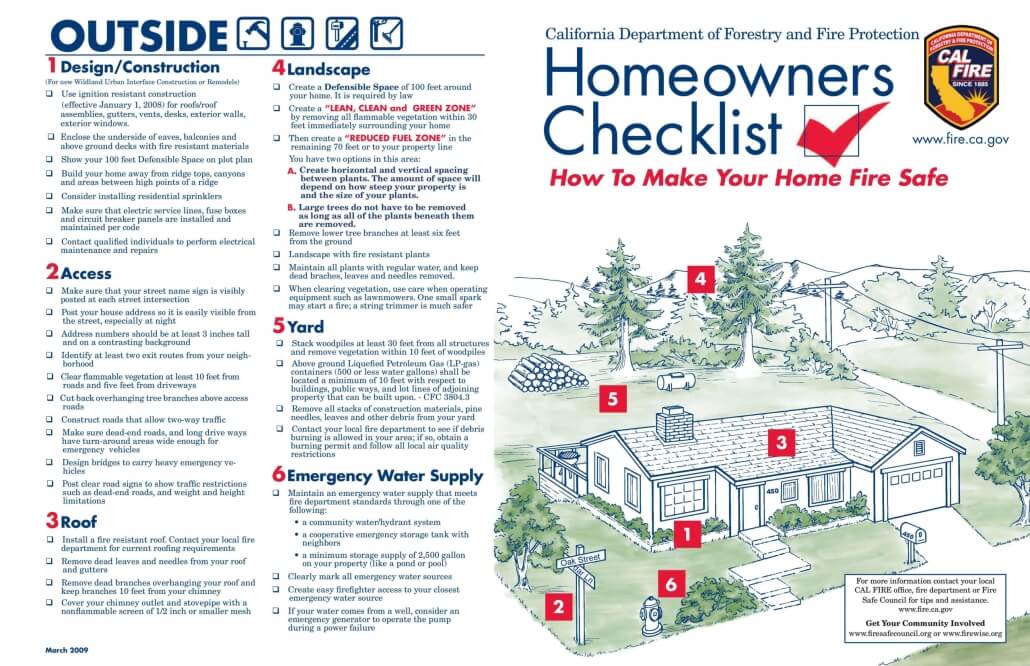
Marin County requires homeowners in fire-prone areas to maintain defensible space around structures. In Marin County, this generally extends up to 100 feet from the home, or to the property line where closer.
Zone 1: 0–30 Feet From the Structure
This is the most critical area for wildfire protection.
Best practices include:
- Removing dead vegetation, leaves, and debris
- Keeping shrubs trimmed, spaced apart, and well-maintained
- Avoiding combustible materials against exterior walls
- Cleaning roofs, gutters, eaves, and corners regularly
Zone 2: 30–100 Feet From the Structure
This zone is intended to slow fire spread and reduce fire intensity.
Typical recommendations include:
- Thinning trees and large shrubs
- Removing ladder fuels that allow fire to climb from ground to canopy
- Clearing brush and grasses beneath trees
- Limbing trees to reduce lower branches, typically at least 6 feet above ground where appropriate
In steeper terrain or high-risk settings, homeowners may choose—where feasible—to manage vegetation beyond 100 feet.
Local fire agencies may conduct periodic inspections to confirm compliance.
For detailed guidance, homeowners should start with:
-
CAL FIRE defensible space guidelines:
https://www.fire.ca.gov/dspace -
CAL FIRE “Ready for Wildfire” defensible space zones (including Zone 0):
https://readyforwildfire.org/prepare-for-wildfire/defensible-space/For Marin-specific yard and ember-resistant guidance, see Fire Safe Marin’s fire-smart yard resources: - https://firesafemarin.org/create-a-fire-smart-yard/
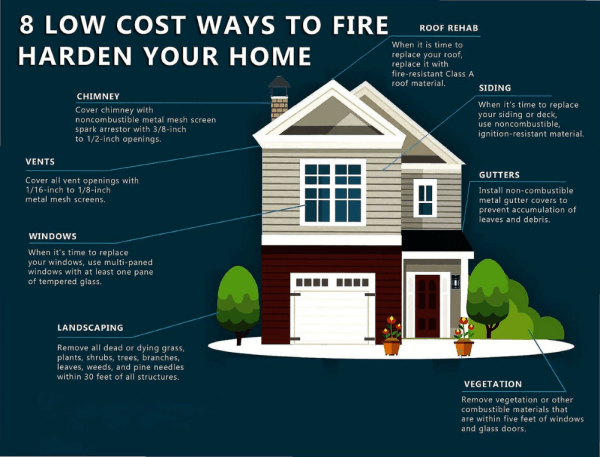
Hardening Your Home Against Embers
Because embers cause many home ignitions, reducing ember entry is essential.
Key considerations include:
- Keep decks, balconies, and under-deck areas free of debris and combustible materials
- Maintain roofs and gutters; keep them clean and consider guards or screens where appropriate
- Enclose or protect open eaves where embers can collect
- Screen vents with 1/8-inch metal mesh to reduce ember intrusion
- Seal gaps around doors, windows, and garage openings
- Avoid dense or combustible plantings immediately adjacent to windows and exterior walls
Evacuation Planning and Access
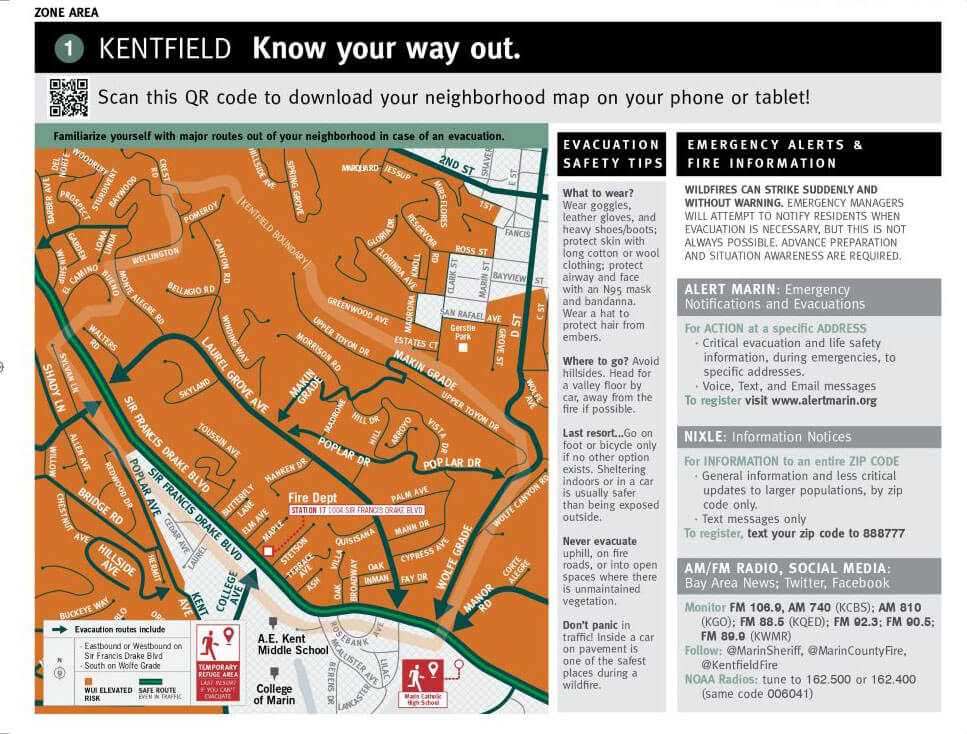
Every household should have a clear evacuation plan. You can find yours (sample above) at: https://firesafemarin.org/prepare-yourself/evacuation-guide/evacuation-maps/
- Know multiple evacuation routes from your home and neighborhood
- Property owners are responsible for maintaining vegetation on their property to keep roads, driveways, and access routes clear
- Emergency vehicle access requires adequate roadway width and vertical clearance—confirm site-specific standards with your local fire authority
- Coordinate evacuation planning with neighbors, particularly in areas with limited access
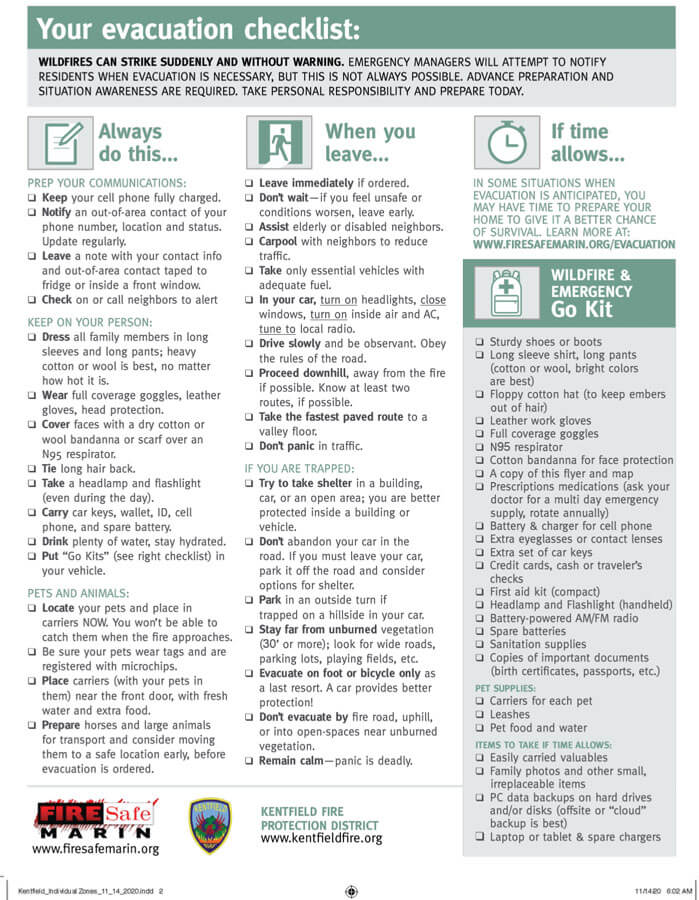
- Have a plan for pets and livestock, and know what to take if you must leave
- When evacuation is advised, leave early

Sign Up for Alert Marin: Emergency Notification System
• Emergency officials use Alert Marin to send rapid alerts.
• Register at www.AlertMarin.org to receive voice, text & email notifications for evacuations and emergencies.
In Conclusion
Wildfire preparedness is now a standard part of responsible homeownership in Marin County—especially for properties near open space. Maintaining defensible space and making practical, ember-resistant improvements can help reduce risk and support long-term property resilience. If you’re thinking about buying or selling in Marin and want to understand how wildfire considerations may affect a specific home, neighborhood, or insurance landscape, I’m happy to help. Call or text me anytime at 415-847-5584.
Learn More
-
CAL FIRE – Defensible Space:
https://www.fire.ca.gov/dspace -
CAL FIRE – Ready for Wildfire:
https://readyforwildfire.org/ -
Fire Safe Marin – Countywide resources:
https://firesafemarin.org/ - Marin County Wildfire Prevention Authority:
https://www.marinwildfire.org/
- What to Expect for California Homeowners Insurance in 2026:
https://www.thomashenthorne.com/california-homeowners-insurance-2026/
About the Author

Thomas Henthorne is a consistently top-ranked Marin County real estate agent with Golden Gate Sotheby’s International Realty, known for thoughtful guidance, strong negotiation, and polished marketing. He is the publisher of a widely read Marin real estate blog covering local market insights, neighborhood spotlights, and the lifestyle that makes Marin such an exceptional place to live. Thomas also brings a design and branding background to every listing and client strategy, with an emphasis on presentation, positioning, and results.
You can learn more about Thomas here.
Call or text Thomas at 415-847-5584 to discuss your real estate goals.
Let’s Tell the Next Success Story.™
Check out this video from FireSafe Marin on adapting to wildfire…





very useful information for all homeowners in Marin. Thank you very much
Thank you, Rose, please feel free to share with your friends. Have a safe summer!
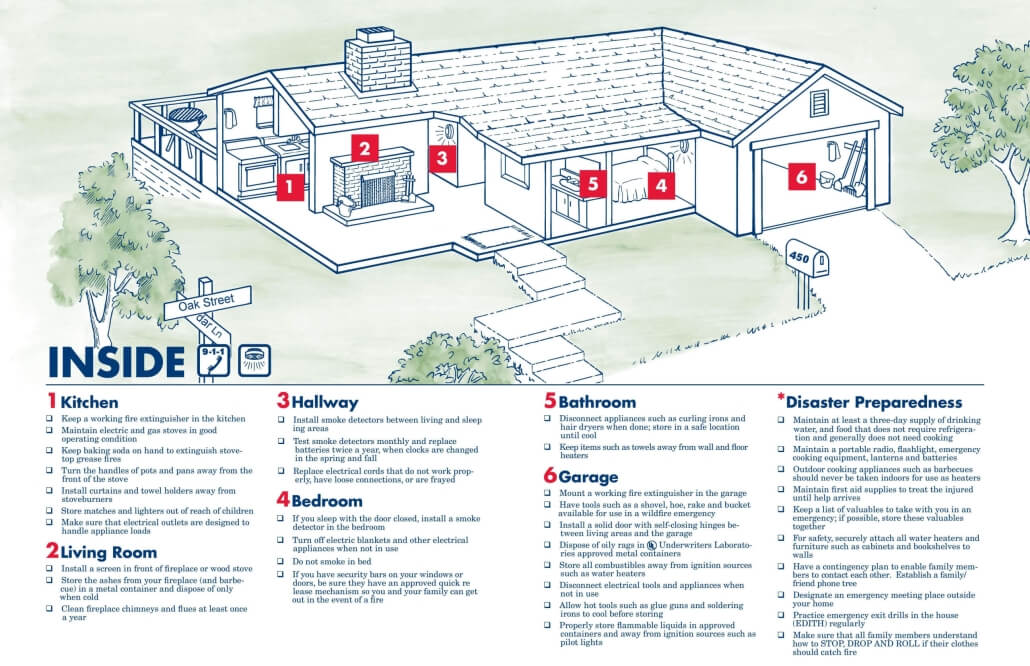
Such a truly important, and helpful read. Love the inclusion of the infographic. Thanks for posting.